Preparing a Business for Sale: A Practical Checklist for Owners
Start before a buyer asks. What to gather, what to clean up, and what to write down.
13 min read · Updated Oct 2026
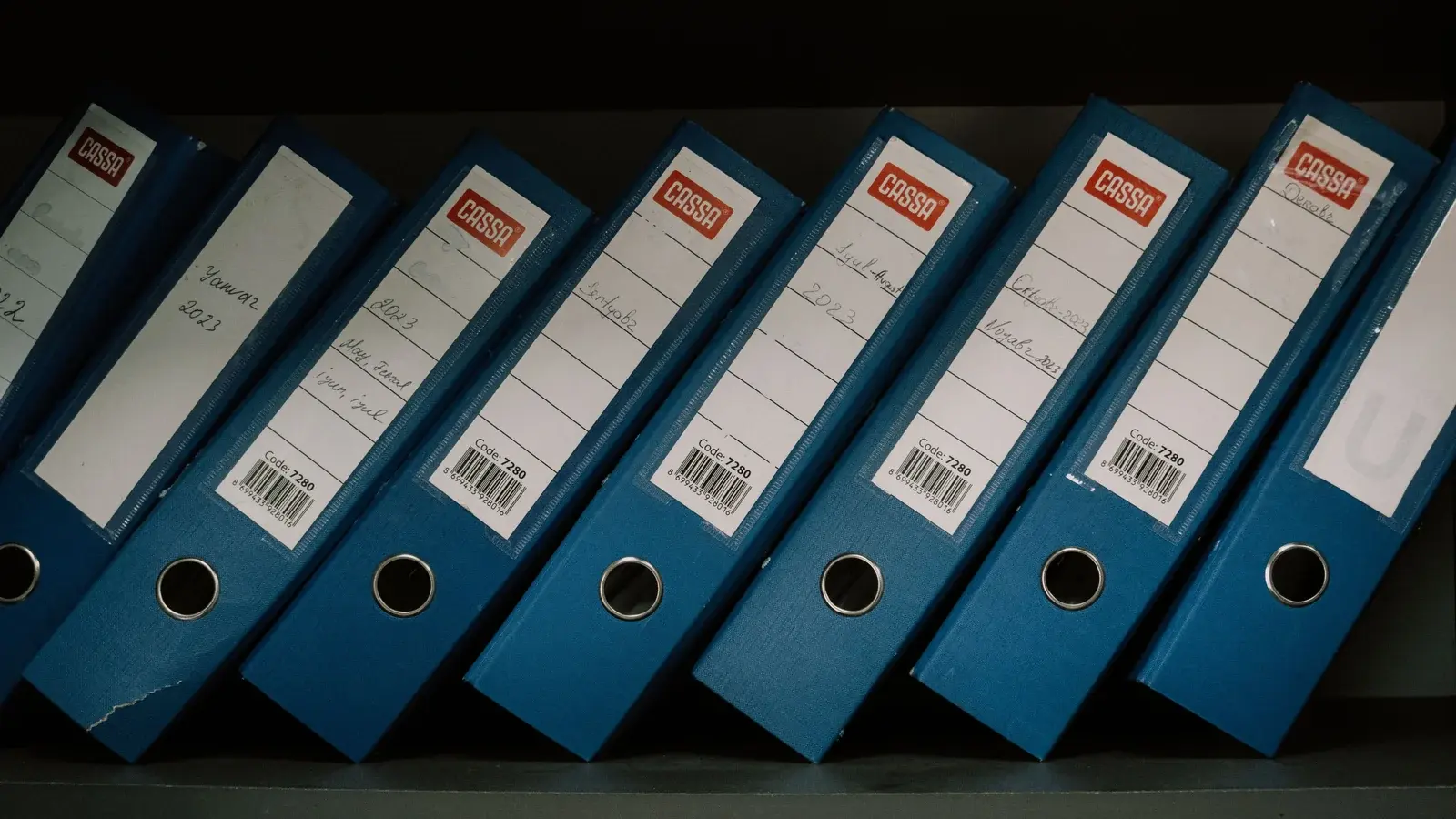
Maybe you plan to sell in five years. Maybe you just want to be ready if someone calls with an offer. Either way, preparing a business for sale starts long before a buyer asks for anything. Once a serious buyer shows up, they will want your numbers, your tax returns, your lease, and a clear picture of who your customers are. Owners who have all of that ready look organized and trustworthy. Owners who scramble lose time and leverage.
This guide is a working checklist: what to gather, how to spot personal expenses in the books, how to write down the work only you do, and what to fix while you have time.
Want a starting number while you prepare?
Key takeaways
- Gather three years of financial statements and tax returns, your lease, key contracts, and sales by customer before anyone asks for them.
- Find the personal and one-time expenses that run through the business, and keep proof for each one. Buyers call these "add-backs."
- Write down every task only you handle. That list shows a buyer how much of the business depends on you, and what to hand off first.
On this page
- Why start before a buyer asks?
- Step 1: Gather your financial records
- Step 2: Pull your tax returns and make them match your books
- Step 3: Find the personal expenses running through the business
- Step 4: Get your lease and contracts in order
- Step 5: Organize your customer details
- Step 6: Write down the tasks only you handle
- Step 7: Fix what a buyer will notice
- Step 8: Understand how the sale itself works
- Your one-page preparation checklist
- What to do next
Why start before a buyer asks?
A buyer is paying for cash flow they believe will continue after you leave. Everything they ask for during the sale is a way of testing that belief.
When a buyer gets serious, they start what's called due diligence: a close review of your records to confirm what you've told them. The U.S. Small Business Administration (SBA) tells buyers to ask about contracts, leases, existing cash flow, and inventory, and to check licenses and permits, zoning, and environmental issues if real property is part of the deal. The same SBA page lists the documents an attorney and accountant typically help a buyer review: a letter of intent, a confidentiality agreement, contracts and leases, financial statements, tax returns, a sales agreement, and a purchase price adjustment.
You can prepare for every item on that list now. Starting early also gives you time to fix things. Messy books, a short lease, or one customer who makes up most of your sales are easier to deal with over a year or two than in the middle of a negotiation.
Step 1: Gather your financial records
This is the core of the file. A buyer, and any lender the buyer uses, will rebuild your earnings from these documents.
The financial records checklist
- Profit and loss statements (also called income statements) for the last three full years, plus year to date.
- Balance sheets at the end of each of those years, plus the most recent month.
- Monthly sales for at least the last two years, so a buyer can see seasons and trends.
- Bank statements that back up the sales you report.
- Accounts receivable (money customers owe you) and accounts payable (money you owe vendors), with how old each balance is.
- A list of debts, equipment leases, and loans, with balances and payment terms.
- Payroll reports showing roles and pay (you can leave names off for now).
- An inventory count, if you carry inventory, and how you value it.
We suggest three full years because one good year is a story and three years is a pattern. If you only have one or two years of clean records, that's fine. Say so up front.
Keep your supporting documents
The IRS explains in Publication 583 that business transactions generate supporting documents, such as sales slips, paid bills, invoices, receipts, deposit slips, and canceled checks. These are what your books are built from. A buyer may ask to see some of them to confirm that your numbers are real.
The IRS also has guidance on how long to keep records. In general, it says to keep records for 3 years, with longer periods in certain cases. Employment tax records should be kept for at least 4 years. Records relating to property should be kept until the limitations period runs out for the year you dispose of that property, because you need them to figure gain or loss on the sale. That last point matters when you sell, so don't throw away old equipment and property records.
Separate business and personal money
Publication 583 also says one of the first things a business should do is open a business checking account and keep it separate from your personal account. If your business and personal spending still share an account or a card, separating them now is one of the most useful things you can do before a sale. It makes the real profit much easier to see.
Step 2: Pull your tax returns and make them match your books
Buyers and lenders lean heavily on tax returns, because they're filed with the government and are hard to dress up.
The tax return checklist
- Federal business tax returns for the same three years as your financial statements.
- State and local returns, including sales tax filings if you collect sales tax.
- Payroll tax filings.
- A short reconciliation note from your accountant explaining any difference between your internal statements and your returns.
If you can't find old returns
If a return has gone missing, you can request a copy of the information the IRS has on file. The IRS says you can use Form 4506-T to request tax return transcripts and other transcript types. A transcript is a summary of a return, not the full return, but it's often enough to fill a gap.
Why the match matters
If your internal statements show much more profit than your tax return, a buyer will ask why. Some differences are normal, such as depreciation or timing. Work through any gap with your accountant now, and put the explanation in writing.
Step 3: Find the personal expenses running through the business
Many owner-run businesses pay for a few things that aren't strictly business costs: a family phone plan, a car mostly used on weekends, a trip that was partly vacation. These lower the profit on your tax return. A buyer won't have those costs, so the business may earn more for them than your returns suggest.
What "add-backs" means
An add-back is an expense you add back to your reported profit to show what the business really earns for an owner. Common examples include your own salary and benefits, one-time costs that won't repeat, and personal costs paid by the business. Buyers look at this adjusted figure, often called seller's discretionary earnings (SDE), to decide what the business is worth. Our article on what your business is worth explains how buyers use SDE in more detail.
What the tax rules say
There's a good reason to clean this up: the IRS rules are clear about personal costs. According to IRS Publication 334, a business expense must be both ordinary (common and accepted in your field) and necessary (helpful and appropriate for your business) to be deductible. If an expense is partly business and partly personal, the personal part is generally not deductible. Publication 334 also lists personal, living, and family expenses among the costs you can't deduct as business expenses.
So when you find personal spending in the books, the right move is to stop running it through the business, and talk with your accountant about how to handle what's already there.
The add-back checklist
- List every add-back you plan to claim, with the amount for each year.
- Attach proof to each one: an invoice, a statement, or a receipt.
- Separate one-time costs from recurring ones. A one-time legal bill or a move is a fair add-back. A "one-time" repair that shows up every year is not.
- Note any family members on payroll, what they do, and whether a buyer would need to replace them.
- Note any rent you pay yourself if you own the building. A buyer may have to pay a different rent.
- Stop running personal costs through the business going forward.
A short list of well-documented add-backs is more convincing than a long list of guesses. Buyers and lenders will check each one.
What could your business sell for? Answer a few questions about revenue and earnings and see a preliminary valuation range in about three minutes.
Step 4: Get your lease and contracts in order
Your location and your agreements are part of what a buyer is buying. If the lease ends soon or can't be transferred, the business may be worth less, or the sale may stall.
The lease checklist
- The full lease, with every amendment.
- How much time is left, and any renewal options.
- The assignment clause. Many commercial leases require the landlord's consent before the lease can be transferred (assigned) to a new owner. Read yours and note what it says.
- Who pays for what: taxes, insurance, maintenance, and repairs.
- Any personal guarantee you signed.
If your lease is short, talk with your landlord about renewal before you go to market. A buyer will ask, and you'd rather have the answer ready.
The contracts checklist
- Customer contracts, especially your largest ones.
- Supplier and vendor agreements, including any special pricing.
- Equipment leases and service contracts.
- Any contract that can't be transferred without the other side's consent.
- Licenses and permits, and whether each one transfers or the buyer must apply fresh. The SBA notes that a buyer will need to get licenses and permits from the current owner or apply for them.
- Insurance policies and any claims history.
- Formation documents for your company, and proof it's in good standing with your state.
Step 5: Organize your customer details
A buyer wants to know where your sales come from and whether those customers will stay.
The customer details checklist
- Sales by customer for each of the last three years. You can use codes instead of names until later in the process.
- Your largest customers' share of sales. This shows a buyer whether the business depends on one or two accounts. We call this customer concentration.
- How long your top customers have been with you.
- Which customers are under contract, and which buy on a handshake.
- Recurring revenue, such as service plans, subscriptions, or maintenance agreements.
- Who manages each key relationship: you, or someone on your team.
If one customer makes up a large part of your sales, start widening the base now, or get that customer under a written contract. Either step makes the business less risky in a buyer's eyes.
Keep customer names private until a buyer has signed a confidentiality agreement, one of the standard purchase documents the SBA lists.
Step 6: Write down the tasks only you handle
This step is easy to skip, and it often matters most. If customers only call you, or you're the only one who can price a job, a buyer is buying a job rather than a business.
How to make the list
For two to four weeks, keep a simple log of what you do. Then turn it into a one-page list with these columns:
| Task | How often | Time it takes | Could someone else do it? |
|---|---|---|---|
| Example: quote large jobs | Weekly | 4 hours | Yes, with training |
| Example: handle top customer calls | Daily | 1 hour | Yes, after introductions |
| Example: approve supplier orders | Weekly | 2 hours | Yes, with written limits |
The rows above are examples. Fill in your own.
The owner tasks checklist
- Sales and quoting: who prices work and closes deals.
- Key customer relationships: which customers only deal with you.
- Supplier relationships: special terms that depend on you personally.
- Hiring, scheduling, and payroll approval.
- Banking, bills, and cash management.
- Technical or licensed work only you are qualified to do.
- Passwords, accounts, and logins that only you hold.
- Know-how that isn't written down: recipes, processes, pricing rules.
What to do with the list
Sort each task into one of three groups:
1. Train someone now. Introduce a team member to your top customers and let them handle routine orders.
2. Document it. Write the process down so a new owner can follow it.
3. It leaves with you. Be honest about these. A buyer will price them in, or ask you to stay on after the sale to train them.
How long you stay after closing is a deal term you'll negotiate. The list helps you decide what you're willing to offer.
Step 7: Fix what a buyer will notice
With your records in one place, you'll see problems you can still fix. Beyond the owner tasks, customer concentration, lease, and mixed records covered above, check these:
- Deferred maintenance. Repair equipment, vehicles, and anything a buyer will see on a walkthrough.
- Liens. Find out whether any lender or equipment company has a lien (a legal claim) on business assets. Liens often have to be paid off or released at closing, so it helps to know early.
- Unfiled tax returns. Get every return filed and current.
Some issues can't be fixed. That's fine. Disclose them early. Buyers lose trust when a problem comes out late in due diligence.
Step 8: Understand how the sale itself works
You don't need to become an expert, but knowing a few basics helps you prepare the right records.
Asset sale or stock sale
The SBA explains that a sales agreement can cover the purchase of assets or the stock of a corporation, and that an attorney should review it. The SBA also warns not to leave out any assets or liabilities, because that can create problems even after the sale is final.
How the price gets split for taxes
In an asset sale, the IRS doesn't treat the business as one item. According to the IRS page on the sale of a business, each asset is generally treated as sold separately, and both buyer and seller must use what's called the residual method to allocate the price across the assets.
The Instructions for Form 8594 say both the seller and the buyer must report this kind of sale on Form 8594. The form groups assets into classes. For example, a covenant not to compete (a promise not to open a competing business) falls in Class VI, and goodwill and going concern value fall in Class VII. Because each class can be taxed differently, the split affects what you keep. Bring your accountant in before you agree to it.
How buyers pay for a business
Many buyers borrow part of the price. The SBA says its 7(a) loan program can be used for changes of ownership, and that the maximum 7(a) loan amount is $5 million. A lender will want to see the business's records too, which is one more reason to have them in order. When buyers need financing, GROFINEX can connect them with licensed lending partners.
State rules
Some states add their own steps. In New Jersey, for example, the state's Division of Taxation says a buyer of business assets such as inventory or goodwill must submit Form C-9600 with a copy of the contract at least 10 business days before closing. Ask your attorney what applies where your business operates.
Your one-page preparation checklist
Print this and work through it over the next few months.
Financials
- Three years of profit and loss statements and balance sheets, plus year to date
- Monthly sales for at least two years
- Bank statements, receivables, payables, debts, and payroll reports
- Supporting documents kept and organized
Tax returns
- Three years of federal business returns, plus state and sales tax filings
- Missing returns requested by transcript
- A written note explaining any gap between books and returns
Personal expenses and add-backs
- Every add-back listed by year, with proof
- Personal costs stopped going forward
- Family payroll and owner rent noted
Lease and contracts
- Full lease, amendments, renewal options, and assignment terms
- Customer, supplier, and equipment contracts
- Licenses, permits, insurance, and formation documents
Customer details
- Sales by customer for three years
- Largest customers' share of sales
- Contracts and recurring revenue noted
Owner tasks
- One-page list of every task only you handle
- Each task marked: train, document, or leaves with you
Fixes
- Liens checked, returns filed, maintenance done
What to do next
Once your records are together, find out where you stand. A preliminary valuation range shows whether the business is ready to sell now or would benefit from more preparation.
Know your number before you decide. A few questions, about three minutes.
Sources
- U.S. Small Business Administration, Close or sell your business. a sales agreement can cover assets or stock and should be reviewed by an attorney; don't leave out any assets or liabilities.
- U.S. Small Business Administration, Buy an existing business or franchise. buyers ask about contracts, leases, cash flow, and inventory; licenses and permits, zoning, and environmental checks; the standard documents in a purchase (letter of intent, confidentiality agreement, contracts and leases, financial statements, tax returns, sales agreement, purchase price adjustment).
- U.S. Small Business Administration, 7(a) loans. 7(a) loans can be used for changes of ownership; the maximum loan amount is $5 million.
- IRS, Sale of a business. each asset is generally treated as sold separately; buyer and seller use the residual method.
- IRS, Instructions for Form 8594. both seller and buyer report the sale; a covenant not to compete is a Class VI asset; goodwill and going concern value are Class VII.
- IRS, Publication 334, Tax Guide for Small Business. business expenses must be ordinary and necessary; the personal part of a mixed expense is generally not deductible; personal, living, and family expenses are not deductible.
- IRS, Publication 583, Starting a Business and Keeping Records. examples of supporting documents; keep a business checking account separate from your personal account.
- IRS, How long should I keep records?. 3-year general rule; employment tax records for at least 4 years; property records until the limitations period expires for the year of disposal.
- IRS, About Form 4506-T, Request for Transcript of Tax Return. Form 4506-T is used to request tax return and other transcripts.
- New Jersey Division of Taxation, Bulk Sales. Form C-9600 with a copy of the contract at least 10 business days before closing; covered assets include inventory and goodwill.
Related
General information, not legal, tax, or financial advice.